






There are destinations you visit once and never forget. Sri Lanka is one of them. The tropical island in the Indian Ocean, once known as Ceylon, carries its nickname “The Pearl of the Indian Ocean” for very good reason. On an area barely larger than Ireland, one finds thousand-year-old temples and rock fortresses, dense jungle territories filled with elephants and leopards, endless tea plantations in cool highland mists, golden dream beaches on crystalline seas, and a living culture that touches every visitor deeply. Sri Lanka is not simply a holiday destination – Sri Lanka is an experience that touches the soul and opens the heart.
Those who truly wish to discover Sri Lanka do not travel passively from hotel pool to hotel pool. Sri Lanka unfolds on a tour, on foot through mist shrouded mountain forests, by bicycle through rice fields and villages, in a tuk-tuk through bustling markets, on an old colonial train through tea plantations – and in the evenings at one of the world’s most beautiful hotels, the legendary Lighthouse in Galle. This travel description guides you through the unforgettable highlights of a Sri Lanka tour, provides recommendations for active travel, golf and special hotels, and shows you how to combine Sri Lanka with the Maldives or India for an unforgettable Asian journey.
Understanding Sri Lanka – The Island of the Gods
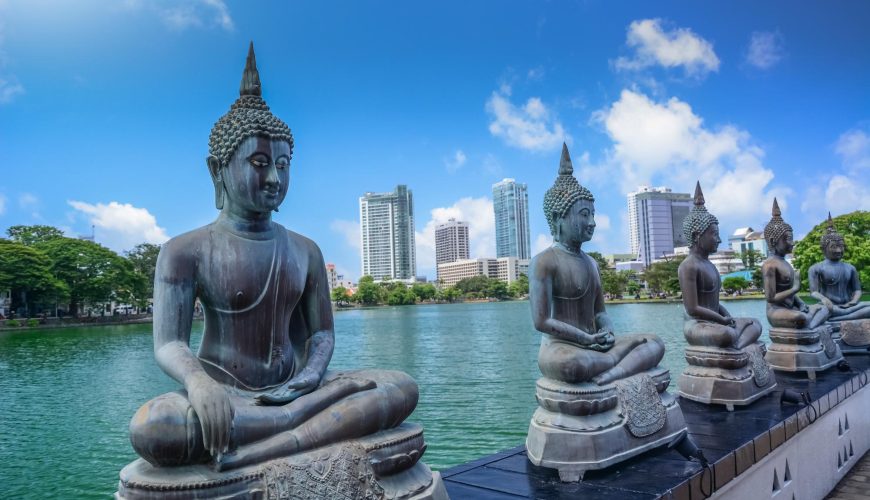
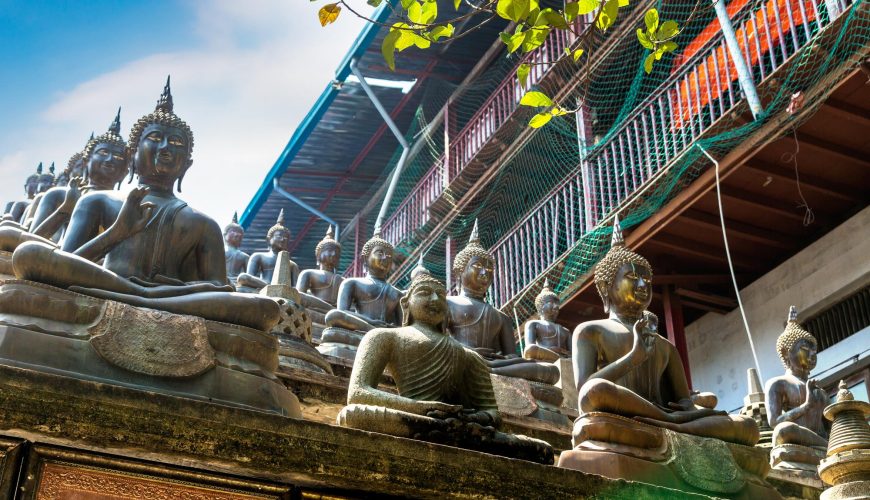
Before travelling to Sri Lanka, one should know the island a little. Sri Lanka is a Buddhist country – 70 percent of the population adheres to Theravada Buddhism, and this faith shapes everything: the architecture, the rhythm of daily life, the hospitality of the people, the silence of the temples, and the dignity with which monks in orange robes walk through the streets. Those who travel with openness and respect will be received by this country and its people in a way rarely experienced in Europe.
The climate is tropical but divided by monsoon cycles: the west coast and Cultural Triangle are most beautiful from November to April (northeast monsoon), the east coast from May to September. The highlands around Nuwara Eliya and Ella are pleasantly cool year-round (15-22°C), a welcome contrast to the humidity of coastal regions. The best time for a classic tour combining Cultural Triangle, highlands and west coast is December to March.
The people of Sri Lanka are the greatest souvenir you bring home. Friendly, curious, warm-hearted and proud of their country – one almost always feels welcome. Children wave, elders smile, merchants bargain with humour. Sri Lanka has shown remarkable resilience after the long civil war (1983-2009) and the devastating 2004 tsunami, reinventing itself as a tourism destination. The country is booming but has not yet lost its authentic core.
The Cultural Triangle – Heart and Soul of Sri Lanka
The so-called Cultural Triangle in the northern interior forms Sri Lanka’s historic and spiritual centre. Three ancient cities – Anuradhapura, Polonnaruwa and Sigiriya – mark its corners, and each is a UNESCO World Heritage Site and essential for every Sri Lanka visitor. Here lies the cradle of Sinhalese civilisation, the over 2,000-year history of Ceylon formed in stone and brick.
Sigiriya – The Lion Rock Above the Clouds
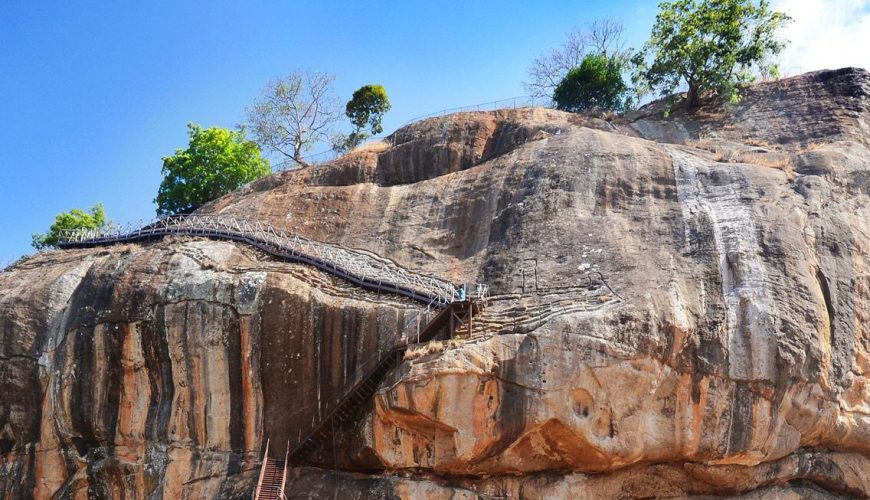
There are few places in the world where history, architecture and nature meet so dramatically as at Sigiriya Rock. The 200-metre high granite monolith rises like a fist from the flat jungle of the Central Province and is visible from afar. Above, on the flattened summit, King Kassyapa built an entire fortress palace in the 5th century – gardens, pavilions, water features and throne rooms that today rank among Asia’s most significant archaeological sites.
The ascent of Sigiriya Rock is for most visitors the emotional highlight of their Sri Lanka journey. First the path leads through manicured water gardens and past the famous frescoes – graceful female figures from the 5th century adorning the rock wall in vivid colours. Then comes the most dramatic passage: the narrow metal staircase on the vertical rock face, where only the handrail stands between oneself and the 50-metre drop. Reaching the top, one inevitably falls silent – and breathes deeply. The view over the endless jungle, clouds at eye level, the feeling of standing far above everyday life – this is Sigiriya. Rising early pays off: at sunrise, when morning mist still lies in the valley and the sky’s colours paint the rock wall pink, the rock is even more magical and even emptier.
Dambulla – The Golden Temple Monastery
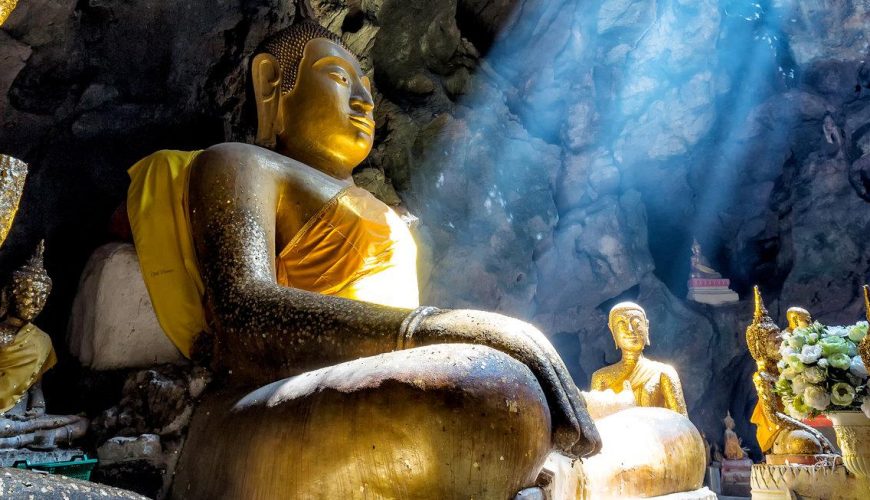
Only 17 kilometres from Sigiriya lies Dambulla, and the contrast could not be greater. While Sigiriya celebrates worldly power and splendour, Dambulla is a place of deep spirituality. In five caves hewn into a massive rock outcrop sits Sri Lanka’s largest and best-preserved cave temple complex – UNESCO World Heritage since 1991. Over 150 Buddha figures, some 15 metres long in reclining position, fill the cool, fragrant caves, covered with magnificent frescoes depicting scenes from Buddha’s life and Sinhalese history.
What makes Dambulla special is not just historical significance but living spirituality. Monks pray here daily, pilgrims come from across the country, and incense and flower offerings are part of the everyday atmosphere. Those who remain still and observe experience something rare in the modern tourism world: genuine devotion, unscripted and moving. The temple’s golden entrance glitters from afar, welcoming visitors with a mixture of awe and wonder.
Anuradhapura and Polonnaruwa – Two Ancient Royal Cities
Anuradhapura was ancient Sri Lanka’s capital for over 1,000 years – a city of enormous proportions with massive dagobas (Buddhist stupa towers), palaces, monasteries and Buddhism’s holiest tree, the Sri Maha Bodhi, a fig tree allegedly grown from a cutting of the tree under which Buddha attained enlightenment. This tree is over 2,300 years old and the world’s oldest documented tree – a living relic from another age, daily revered by thousands of believers.
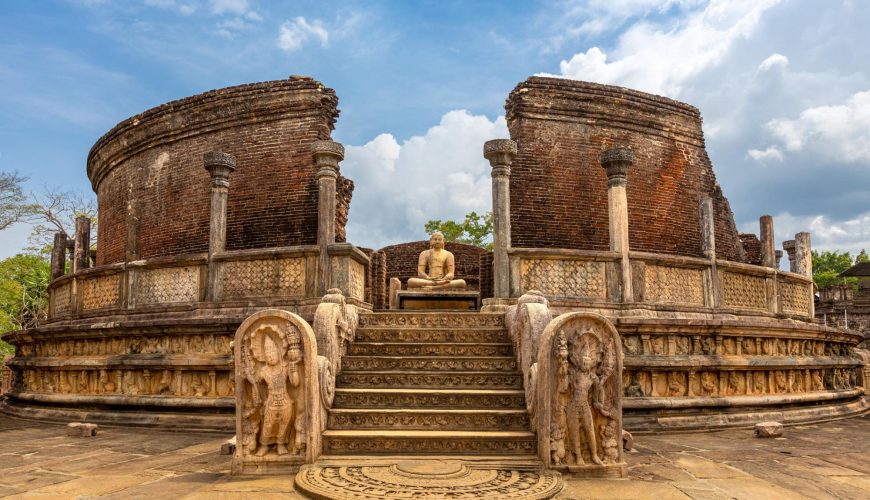
Polonnaruwa, the later 12th-century capital, is for many visitors the more accessible and better-preserved ruined city. Exploring the extensive site by bicycle is best: palaces, bathing pools, temples, statues and the impressive Gal Vihara, a rock gallery with four monumental Buddha figures hewn from a single granite surface. At sunset, when warm light colours the ancient stones golden and monkey troops scurry across the ruins, Polonnaruwa is unforgettably beautiful.
Kandy – The Sacred City in the Island’s Heart
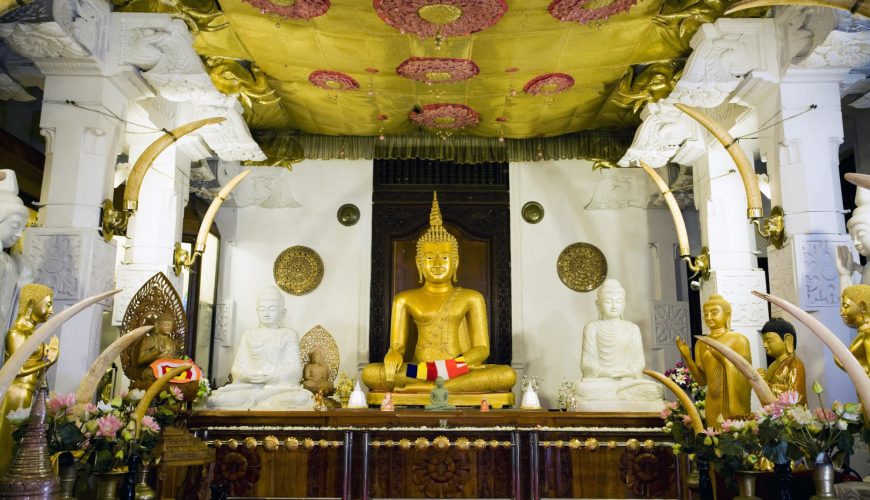
Kandy is Sri Lanka’s cultural and religious heart and the last capital of the last Sinhalese kingdom before the British colonised the island completely in 1815. Today Kandy remains guardian of Buddhism’s holiest relic: Buddha’s tooth, preserved in the magnificent Dalada Maligawa (Temple of the Tooth) on the artificial lake’s shore in the city centre. Every evening a puja (devotional service) takes place in the temple – with drumming, horn blowing and torches bathing the temple in mystical light. Those who experience this never forget it.
The highlight of Kandy’s year is the Esala Perahera festival (July/August) – one of Asia’s most magnificent religious processions. Over ten nights, elephants in festive adornment, drummers, dancers, fire-eaters and pilgrims parade through the city’s streets. Hundreds of elephants, artfully decorated and illuminated, carry the sacred relic in a golden casket through the jubilant crowd. Those with the opportunity to experience Esala Perahera should plan their journey around it.
The Peradeniya Botanical Gardens, just a few kilometres outside Kandy, are another highlight – 60 hectares of tropical plant splendour with one of Asia’s most beautiful orchid houses, gigantic bamboo halls and avenues of royal palms. Here weddings begin and end, families picnic in the shade of centuries-old trees, and Sri Lankan daily life shows its most relaxed side.
The Highlands – Tea Plantations, Mist and the Train to Ella
From Kandy the journey leads into Sri Lanka’s highlands – and the way one travels there is itself a highlight. The colonial train from Kandy to Ella is considered one of the world’s most beautiful railway journeys. Over six hours the old steam locomotive – today pulled by a diesel engine but in the old colonial carriages – winds through a landscape that drives every photographer to despair: because it is simply impossible to photograph anything more beautiful than the next image around the next curve.
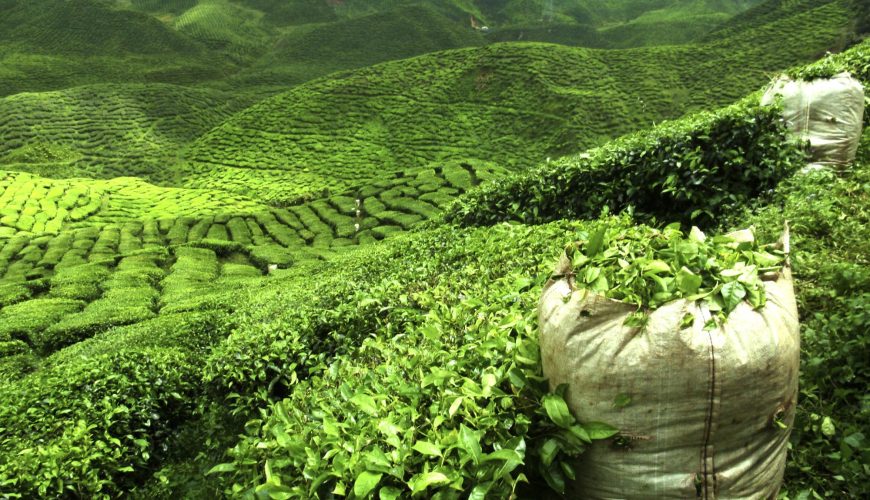
Endless emerald-green tea plantations climb steep slopes, interrupted by small white tea workers’ houses. Tamil tea pickers in colourful saris, baskets on their backs, bend over the lush tea bushes. Waterfalls plunge over rock faces. The train dives into tunnels, crosses bridges with dizzying views into valleys, and every few stations merchants board selling hot tea and freshly baked samosas. With doors wide open and the wind in your face, you sit on the carriage steps and think: travel is a privilege.
Nuwara Eliya – Little England in the Mist
Nuwara Eliya at 1,900 metres altitude is called “Little England” by Sri Lankans themselves – and the designation is not unjustified. The British, who developed the highlands for tea cultivation in the 19th century, built a small colonial town here with manor houses, a golf course, a horse racing stadium, English pubs and even a post office that looks like it came directly from Surrey. Temperatures are pleasantly cool (12-22°C), dense mist often lies over the plantations in the mornings, and in the evenings a fire burns in the Grand Hotel’s fireplace.
The tea plantations around Nuwara Eliya produce the world’s finest Ceylon Tea – the famous “Broken Orange Pekoe”, golden-yellow and clear in the cup. A visit to the Pedro Tea Estate or Mackwoods Tea Factory is essential: one finally understands why good tea is good, and takes home some packets of freshly packed tea – Sri Lanka’s most beautiful and genuine souvenir.
Ella – The Hippie Mountain Village with World-Class Views
Ella is the favourite village of all Sri Lankan backpackers, photographers and nature lovers. The small mountain village at 1,041 metres lies in a valley opening south towards the coastal lowlands, offering at clear weather a magnificent view over tea plantations and jungle to the shimmering sea 50 kilometres away. Ella is the perfect village for slowing down, breathing deeply, simply being.
The Nine Arch Bridge near Ella is one of Sri Lanka’s most photographed subjects: a British colonial bridge from 1921, built entirely from stone and concrete (because steel was unavailable during World War I), arching elegantly through lushly vegetated valley. When the train slowly crosses the bridge and one watches from below, it is an image from another age. The sunset from Little Adam’s Peak over Ella Valley belongs among Sri Lanka’s most beautiful moments – a gentle three-hour ascent through tea plantations rewarded with a panorama that makes one forget all efforts.
Active Travel in Sri Lanka – For Body and Soul
Sri Lanka is not only a cultural country – it is a paradise for active travellers. The varied topography, pleasant climate (except for midday heat in lowlands), quiet roads in the interior and friendly people make Sri Lanka one of Asia’s most attractive destinations for cycling and trekking tours.
Cycling Tours in Sri Lanka
Exploring Sri Lanka by bicycle is an unforgettable experience. In the flat lowlands of the north and gentle hill country of the Cultural Triangle, quiet secondary roads lead through rice fields, coconut plantations, fishing villages and small markets where everyday Sri Lankan life pulses. Mornings, when mist still hangs in the palms and the scent of freshly baked flatbread drifts from houses, cycling in Sri Lanka is pure meditation.
A typical cycling tour begins in the Cultural Triangle (Sigiriya, Dambulla, Polonnaruwa), leads via Kandy into the highlands and ends on the south coast near Galle. Distances are manageable (30-60 km daily), highland elevation changes challenging but not extreme, and routes lead almost exclusively through landscapes of breathtaking beauty. Guided cycling tours with support vehicle (for luggage and weak moments) are the most recommended option – one has the freedom of the bicycle and the security of a team.
Particularly popular are cycling tours around Sigiriya Rock (jungle tracks, possible elephant encounters), through Dambulla Valley (between temple complexes and vegetable gardens), and along the coast from Galle to Mirissa (palms, fishermen, whales in sight). E-bikes are increasingly offered and make highland passages more accessible – an excellent option for guests over 50 who want to enjoy the experience without struggling.
Trekking Tours in Sri Lanka
The Sri Lankan highlands are a trekker’s paradise. Between Ella and Nuwara Eliya, on the Horton Plains plateau, around Adams Peak and through the Sinharaja Rainforest are trekking routes of extraordinary beauty and diversity. Paths are well marked (on guided tours anyway), nature intoxicating, and the silence – interrupted only by birdsong and wind in tea bushes – healing for souls stressed by everyday life.
Adams Peak (Sri Pada): Sri Lanka’s sacred mountain (2,243 m) is one of Asia’s most significant pilgrimage sites. Buddhists, Hindus, Muslims and Christians revere the footprint on the summit (for each it is the footprint of a different holy person). The nocturnal ascent (starting at 2 am, arriving at sunrise) is physically demanding (approximately 5,500 steps), but the experience – the chain of pilgrims with lanterns in darkness, prayer flags in the morning wind, the dramatic sunrise – is unforgettable.
Horton Plains National Park: The plateau at 2,100 metres is another world. Mist drifts over barren meadows, sambar deer graze peacefully by the wayside, and primeval mountain forests of twisted, moss-covered trees create an almost mystical atmosphere. The highlight is World’s End – a vertical cliff edge over which the view plunges 880 metres vertically, reaching the south coast in clear weather. Depart early (before 9 am) for cloud-free views.
Sinharaja Rainforest: Sri Lanka’s last remaining lowland rainforest is a UNESCO Biosphere Reserve and World Natural Heritage Site. Guided walks through this ancient, dense forest are an experience for nature lovers – giant butterflies, colourful birds, leopard tracks (the animal itself remains invisible), gigantic trees from which vines hang. Rainforest means rain. Bring rubber boots!
Yala National Park – Safari Sri Lankan Style
Sri Lanka has the world’s highest leopard density – and Yala National Park in the southeast is the place where one most likely sees these shy, beautiful big cats. Early morning open safari jeeps enter the park, and the tension is the same for every driver, every guide and every guest: will a leopard be visible today?
Yala is worthwhile not only for leopards. Elephant herds, crocodiles, buffalo, baboons, peacocks, flamingos and hundreds of bird species populate the varied terrain of dry forest, lakes, grasslands and coastal sections. The combination of national park safari and nearby beach (Arugam Bay, Tangalle) makes Yala one of Sri Lanka’s most versatile destinations.
Directly on the edge of Yala Park lies Hambantota – and thus one of Sri Lanka’s most interesting golf offerings.
Golf in Sri Lanka – An Insider Tip with History
Sri Lanka and golf – that sounds like a surprising combination to many. But the island has a surprisingly long golfing tradition dating back to colonial times. The British brought the sport to Ceylon, and several of Asia’s oldest courses are on the island. Those wishing to combine golf with cultural tours and nature experiences find ideal conditions in Sri Lanka.
Hambantota Golf Hotel – Golf and Wilderness
The Hambantota Golf Hotel in southern Sri Lanka is a centrepiece of Sri Lankan golf offerings. The location is unique: in the midst of Sri Lanka’s south, near Yala and Bundala National Parks, not far from the dramatic south coast with its wind-swept beaches. The golf course offers an extraordinary combination of well-maintained fairways and pristine nature – peacocks stroll across greens, water buffalo graze at fairway edges, and those who are attentive might discover elephant tracks in the early morning.
The highland climate of Nuwara Eliya also makes the Royal Colombo Golf Club an interesting destination: founded in 1879, the club is one of Asia’s oldest golf clubs and offers golf history on every hole. The combination of golf and culture (Kandy is near), golf and nature (Horton Plains), or golf and beach (coast) makes Sri Lankan golf trips an extraordinary experience incomparable to usual golf destinations.
Practical for golfers: green fees are very moderate compared to Europe, courses hardly crowded, caddies friendly and competent, and the subsequent cold beer on the clubhouse terrace with views of the sunset over the Indian Ocean has a value immeasurable in handicap points.
Golf Tour Sri Lanka – Recommended Combination
A typical golf tour in Sri Lanka begins in Colombo with a first visit to Royal Colombo Golf Club, leads via the Cultural Triangle (Sigiriya, Dambulla) into the highlands with a round at Victoria Golf and Country Resort near Kandy – one of Asia’s most beautiful courses, on the shore of Victoria Reservoir with views of forested mountains – and ends in the south at Hambantota Golf Hotel, combined with a Yala safari and beach days on the south coast. This route ideally combines golf, culture, nature and beach and is well achievable in 10-14 days.
The South Coast and Galle – Where Colonial History Meets Dream Beaches
Sri Lanka’s south coast from Galle via Unawatuna, Mirissa and Tangalle to Yala is one of Asia’s most beautiful coastal roads. Turquoise water, palm-shaded beaches, colourful fishing boats departing in the morning, and a relaxed, almost hippie-like atmosphere (especially in Unawatuna and Mirissa) make this coast the perfect journey conclusion after an intensive tour through the Cultural Triangle and highlands.
Galle – The Colonial Fortress City
Galle is one of Asia’s best-preserved colonial cities and a UNESCO World Heritage Site since 1988. The fortress, begun by the Portuguese and completed by the Dutch, whose mighty bastions remain completely intact today, encloses a charming old town with narrow alleys, old colonial-era manor houses, small boutiques, art galleries, cafés and a mixture of history and hipster-cool lifestyle. Walking on the fortress walls at sunset, while fishermen sit with their rods on the walls and the horizon turns red – that is Galle.
The Lighthouse Hotel Galle – A Legend
The Lighthouse Hotel in Galle is no ordinary hotel. It is a work by the famous Sri Lankan architect Geoffrey Bawa, who significantly shaped modern Asian architecture and whose style – “Tropical Modernism” – combines natural climate, local craftsmanship and tropical vegetation with modern architecture in a way that is timeless and unmistakably Sri Lankan. The Lighthouse Hotel perches on a rocky promontory directly above the Indian Ocean, surrounded by crashing waves breaking on the rocks, offering views impossible to fully capture in any glossy magazine.
The hotel itself is an experience for all senses. The sweeping main staircase with its hand-carved friezes tells Sri Lanka’s story in wood. Rooms are spacious, with handcrafted furniture, fresh tropical flowers and terraces from which one hears and sees the sea. The pools – one directly on the rock above the sea – have a drama that makes every European hotel pool look dated. The restaurant serves Sri Lankan and international cuisine with regional products, and the evening on the terrace with an arrack sour (Sri Lanka’s national cocktail based on coconut flower spirits) and the sound of the sea is pure luxury relaxation.
The Lighthouse Hotel is a key recommendation for the journey conclusion of a Sri Lanka tour. It uniquely combines cultural aspiration, natural beauty and first-class comfort. The hotel has an Ayurveda spa offering traditional Sri Lankan healing treatments – a perfect conclusion after an active tour through the island kingdom.
Whale Watching at Mirissa
Off the coast of Mirissa, just a few kilometres from Galle, one of the world’s most spectacular whale observations takes place. From November to April, blue whales – the largest animals ever to live on Earth – pass along Sri Lanka’s southern tip on their migration routes through the Indian Ocean. Blue whale sightings at Mirissa have a significantly higher probability than at most other whale-watching destinations worldwide. Alongside are humpback whales, sperm whales, dolphins and occasionally whale sharks. Early morning onto the boat, out onto the ocean, and then – when suddenly 30 metres beside the small boat a fountain erupts and the blue back of Earth’s largest living creature glides from the water – one understands why Sri Lanka is worth the journey.
Ayurveda – Healing Sri Lankan Style
Sri Lanka alongside India is the most significant centre of Ayurveda medicine worldwide. Ayurveda – the Sanskrit word means “knowledge of life” – is a 3,000-year-old healing art based on a holistic understanding of body, mind and soul, promoting health and wellbeing through herbal preparations, massages, oil treatments, diet and meditation. In Sri Lanka, Ayurveda is not sold as a tourist wellness offering but taken seriously for what it is: a serious medical tradition.
Authentic Ayurveda treatments last at least one week (traditionally 21 days), begin with medical diagnosis (pulse reading, body type determination), and include daily treatments, special diet and daily routines. Those undertaking such a cure in Sri Lanka depart changed – not only because of treatments but because of the slowness and mindfulness such a stay enforces. Sri Lanka’s best Ayurveda hotels are on the west coast (between Colombo and Galle) and in the highlands.
Combination Tours Sri Lanka – Maldives and India
Sri Lanka’s geographical location makes it an ideal hub for combination tours. The Maldives are less than an hour by plane from Colombo, and South India (Chennai, Cochin, Goa) 1-2 hours. These short distances open fantastic possibilities for combined Asian journeys connecting two or three countries in one trip – offering an experience mix that has no equal.
Sri Lanka + Maldives – Adventure Meets Paradise
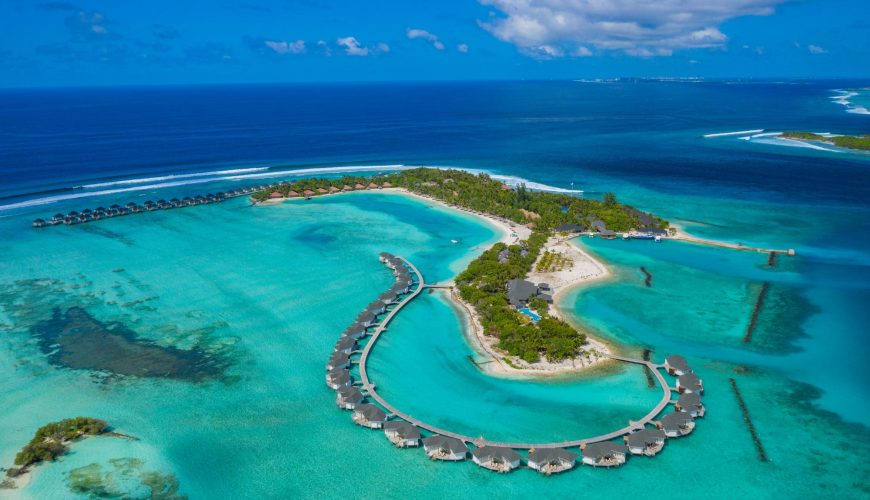
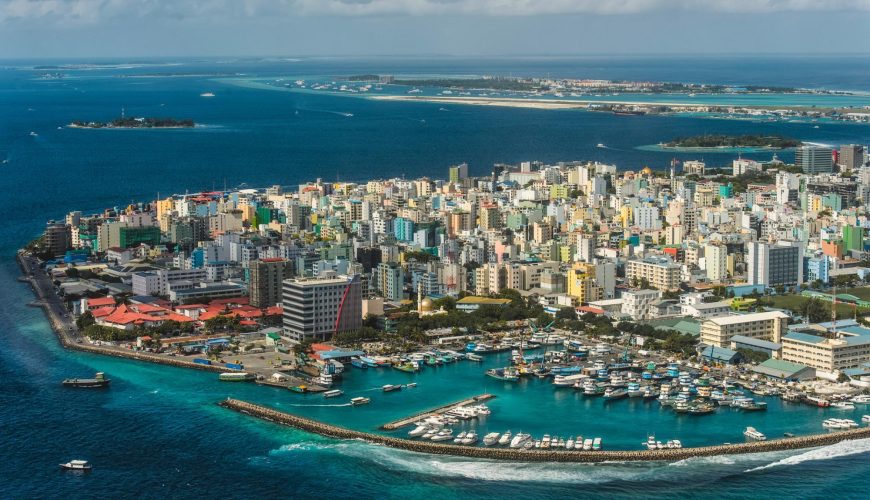
The most classic combination is Sri Lanka tour plus Maldives beach retreat. After 10-14 days intensive touring through Cultural Triangle, highlands and south coast – packed with history, nature, activities and impressions – one flies from Colombo in under an hour to a Maldives atoll and exchanges tuk-tuk and jungle path for water villa and turquoise-clear ocean. This contrast is magnificent: the tour’s adventure and the Maldives stay’s deceleration complement each other perfectly.
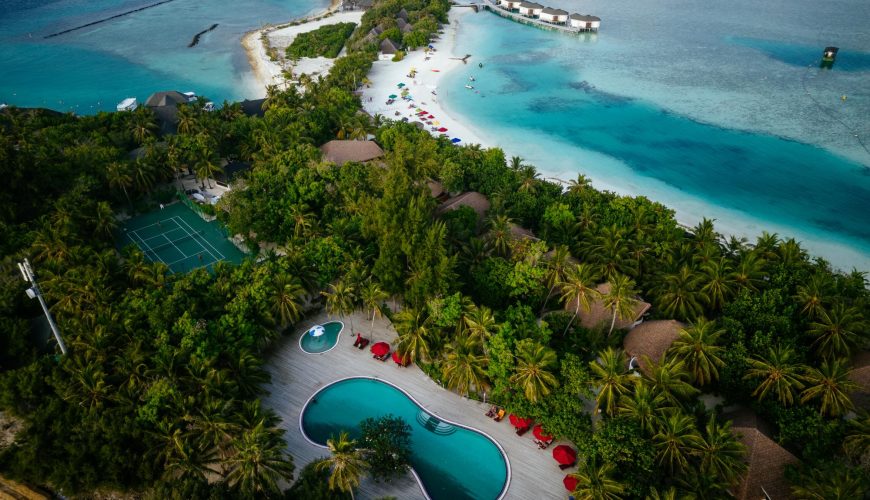
Two weeks Sri Lanka and one week Maldives make a 3-week dream journey many describe as the best journey of their lives. The Maldives offer everything Sri Lanka does not: absolute silence, pristine underwater life (snorkelling and diving at world level), water bungalows with direct entry to the reef, and luxury relaxation that recharges every battery. Intrepid Travel and other operators offer excellent combination packages seamlessly connecting both destinations.
Sri Lanka + India – Subcontinent in One Journey
The other major combination is Sri Lanka with South India. Kerala state in India’s far southwest lies only a few hundred kilometres from Sri Lanka and shares many cultural commonalities (Buddhist and Hindu heritage, tropical vegetation, spice cuisine, Ayurveda tradition), but has its own distinct character. Exploring Kerala’s backwaters – the network of canals, lagoons and rivers – on a houseboat is one of Asia’s most relaxing travel experiences. Combining Kerala with Sri Lanka, one experiences two of South Asia’s most beautiful tropical regions in one journey.
Alternatively, Rajasthan in northwest India offers a contrast to Sri Lanka: desert against jungle, Mughal architecture against Buddhist temples, camels against elephants. This combination is more demanding and requires more time (at least 3-4 weeks), but those experiencing it return home with a deep and lasting understanding of South Asia.
Intrepid Travel, a leading operator for sustainable small-group adventure travel, has excellent Sri Lanka-India tours in its programme – from classic tours to individually tailored experience journeys for discerning travellers.
Best Hotels Sri Lanka – Our Recommendations
Sri Lanka has experienced a remarkable hotel renaissance in recent years. Besides the world-famous Lighthouse Hotel Galle, there are numerous other extraordinary accommodations making a Sri Lanka journey a total work of art.
Lighthouse Hotel Galle: The flagship among Sri Lankan hotels. Geoffrey Bawa’s masterpiece above the sea. Absolutely recommended for the journey conclusion on the south coast. Category: Luxury. Speciality: Architecture, location, ocean view, pool on the rock.
Amangalla, Galle: Also in Galle Fort, Amangalla is the city’s quietest and most exclusive hotel. Set in a 300-year-old Dutch colonial building, it is an experience for lovers of history and absolute luxury. Category: Ultra-luxury.
Victoria Golf and Country Resort, Kandy: Sri Lanka’s golf highlight. 27-hole complex on the shore of Victoria Reservoir with spectacular mountain panorama. Ideal base for golfers and culture tourists alike. Category: Superior.
98 Acres Resort, Ella: Set in tea plantations above Ella, this resort offers one of Sri Lanka’s most breathtaking views. Infinite silence, green hills in all directions, morning mist in valleys. For all wishing to experience Ella with comfort. Category: Boutique-luxury.
Tea Trails, Hatton: Perhaps Sri Lanka’s most unique hotel experience. Four restored colonial bungalows on an active tea plantation, fully exclusively bookable for a group, with own butler, cook and tea picker guidance. Category: Ultra-exclusive.
Hambantota Golf Hotel: The golfer’s refuge in southern Sri Lanka. Ideal for golfers wishing to combine Yala safari and beach stay. Good starting point for the entire south coast. Category: Upper mid-range to superior.
Practical Information for Your Sri Lanka Journey
Best time to visit: For classic tours (Cultural Triangle, highlands, west coast) November to April (west coast dry season). December to March ideal for whale watching. East coast and east side: May to September. Highlands: year-round pleasantly cool.
Visa: British, American, Canadian, Australian and EU citizens require a visa for Sri Lanka. The Electronic Travel Authorization (ETA) is applied for online in advance (approximately 50 USD, simple and quick) and valid for 30 days (extendable to 90 days). Definitely apply before departure!
Health: No mandatory vaccinations, but recommended: Hepatitis A, Typhoid, Tetanus, possibly malaria prophylaxis (only in certain regions). Travel health insurance with repatriation essential. Do not drink tap water, exclusively bottled water.
Currency: Sri Lankan Rupee (LKR). 1 GBP = approximately 450-480 LKR (varies). Cash available at ATMs everywhere in tourist towns. Credit cards accepted in hotels and larger restaurants. Carry small change for local markets, tuk-tuks and small restaurants in cash.
Getting there: Direct flights from London with SriLankan Airlines (approximately 10.5 hours). Alternatively with stopover in Dubai, Doha or Singapore with Emirates, Qatar Airways or Singapore Airlines. Colombo Bandaranaike Airport (CMB) is the only international airport.
Transport in country: Private transfer with driver is the most comfortable and safest option for tours. Tuk-tuks for short distances in cities indispensable. Train journeys (especially Kandy-Ella) absolutely plan as an experience. Rental car with self-driving possible but demanding (left-hand traffic, difficult traffic conditions).
Safety: Sri Lanka has been a very safe travel country since the civil war ended in 2009. The 2019 terrorist attack (Easter bombings) was an isolated incident; since then significantly improved security measures. Petty crime (pickpocketing) possible in tourist areas – exercise usual caution.
Language: Sinhala and Tamil are official languages. English is widespread (colonial heritage) and sufficient in all tourist zones. In rural areas, patience and sign language help.
Sustainable Travel in Sri Lanka
Sri Lanka is an ecologically extremely valuable country: rainforest, coral reefs, endangered species (elephant, leopard, blue whale) and centuries-old cultural landscapes deserve respectful travel. Intrepid Travel, one of the operators, has made sustainability a core principle: small groups (maximum 12 people), local guides and drivers, accommodation in locally-run hotels rather than international chains, and itineraries running off the beaten tourist paths.
As a traveller you can contribute: avoid elephant rides (animal welfare concerns – instead elephant observation in national parks), do not litter plastic, prefer local markets and restaurants, pay guides fairly and tip worthily, and treat cultural sites with the respect they deserve – no entering sanctuaries with shoes, no photographing monks without permission, no short shorts in temples.
Conclusion – Sri Lanka: The Journey That Changes Everything
There are few countries about which travellers speak with as much enthusiasm and emotion as Sri Lanka. The island touches something deep – perhaps because it unites so much: ancient history and living present, spiritual depth and joyful lightness, dramatic nature and gentle people, adventure and relaxation, active holiday and luxury. Sri Lanka does nothing by halves.
Whether you explore the Cultural Triangle’s treasures, compete on the golf course at Hambantota or Kandy, pedal by bicycle through rice fields and jungle, climb Adams Peak on foot, listen to the sea from the Lighthouse Hotel terrace, or wait on a boat off Mirissa for the breath of Earth’s largest animal – Sri Lanka rewards everyone who comes with experiences that remain in the heart long after the journey ends.
Our Sri Lanka offerings combine the best Sri Lanka has to offer: competently assembled tours with cultural highlights, activity options for cycling and trekking enthusiasts, golf packages for friends of the game, and the possibility to combine Sri Lanka with the Maldives or India for the Asian journey of a lifetime. Intrepid Travel and other operators stand for quality, sustainability and the added value of guided tours with local expertise.
We contribute to sports sponsorship through TeamCoin with every booking.
Sri Lanka awaits you. And once you’ve been there – you will return.

Comment (0)